
ISABER Magnetic Levitation Lightsaber Display Stand — Floating Hilt Display with 360° Rotation
You’ve seen a saber sit in a cradle. You haven’t seen it float.
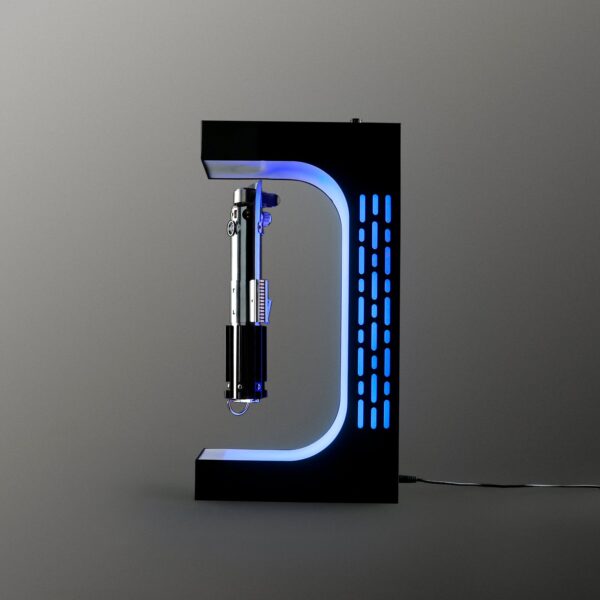
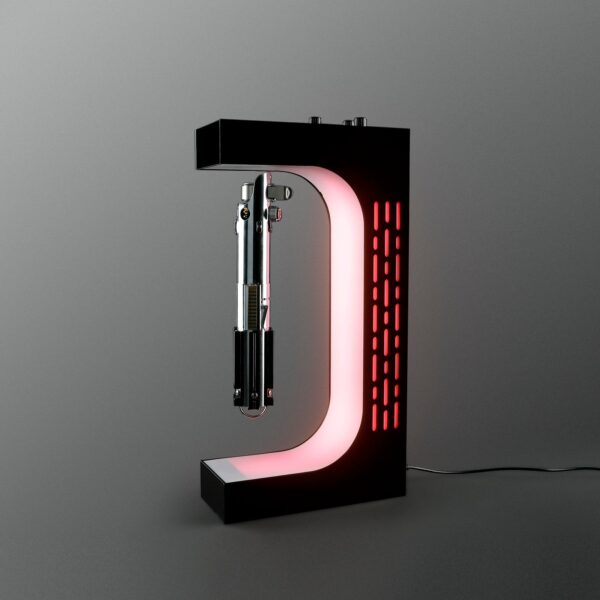
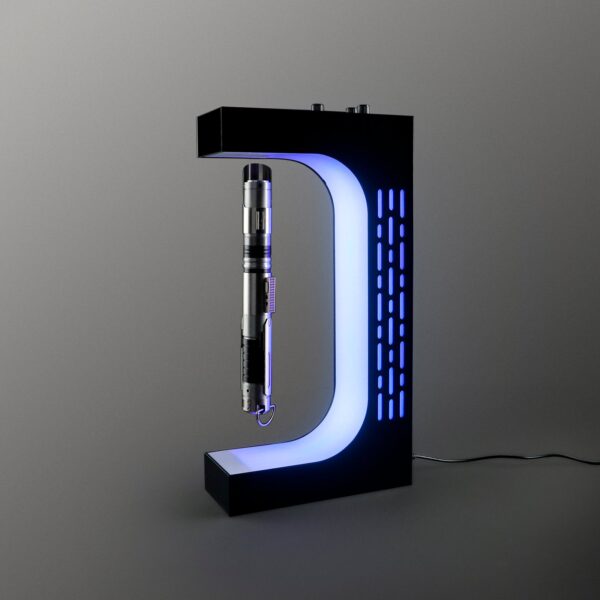
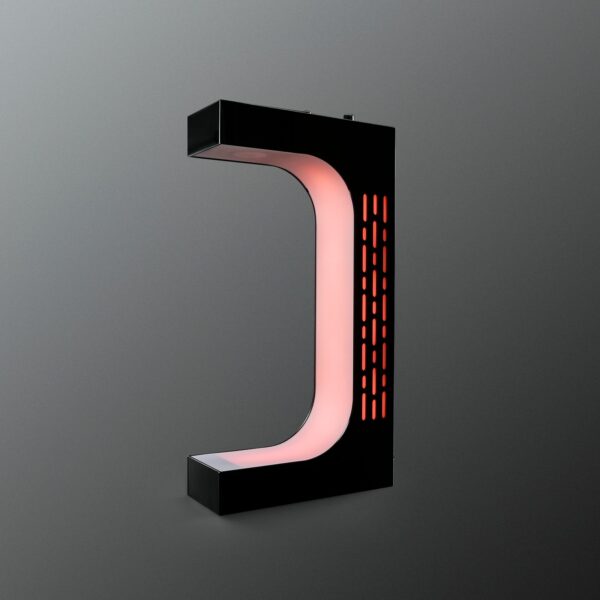
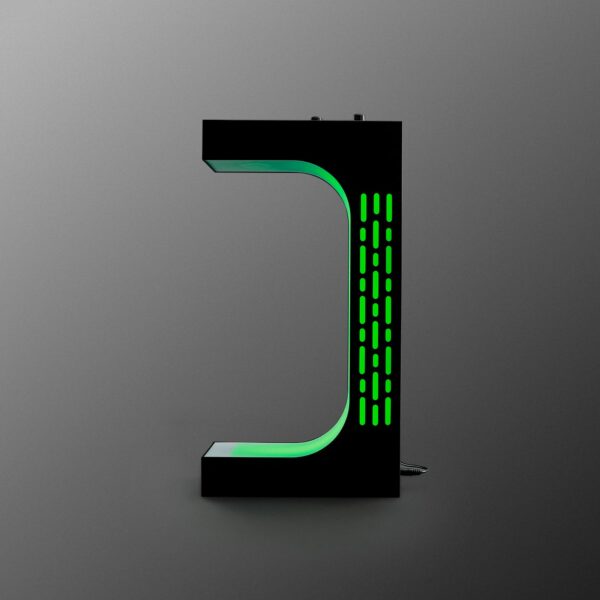
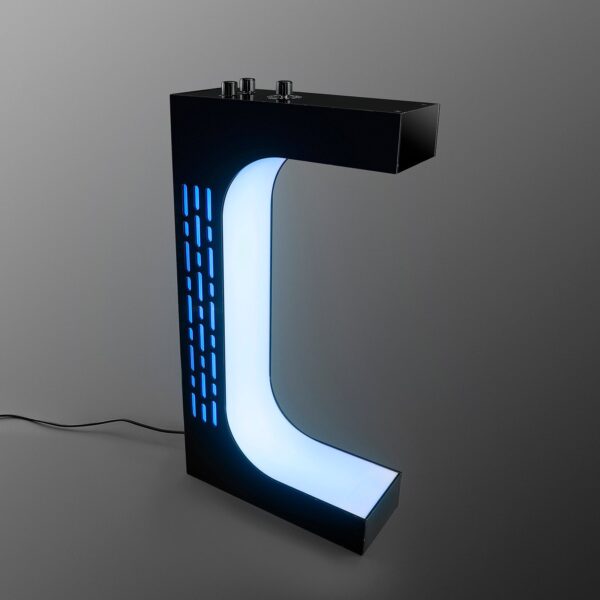
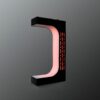
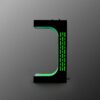
The ISABER Magnetic Levitation Display Stand suspends your hilt in mid-air — no cradle, no hooks, no visible support — and spins it in a slow, smooth 360° rotation under built-in LED lighting. Your shelf becomes a showpiece instead of storage.
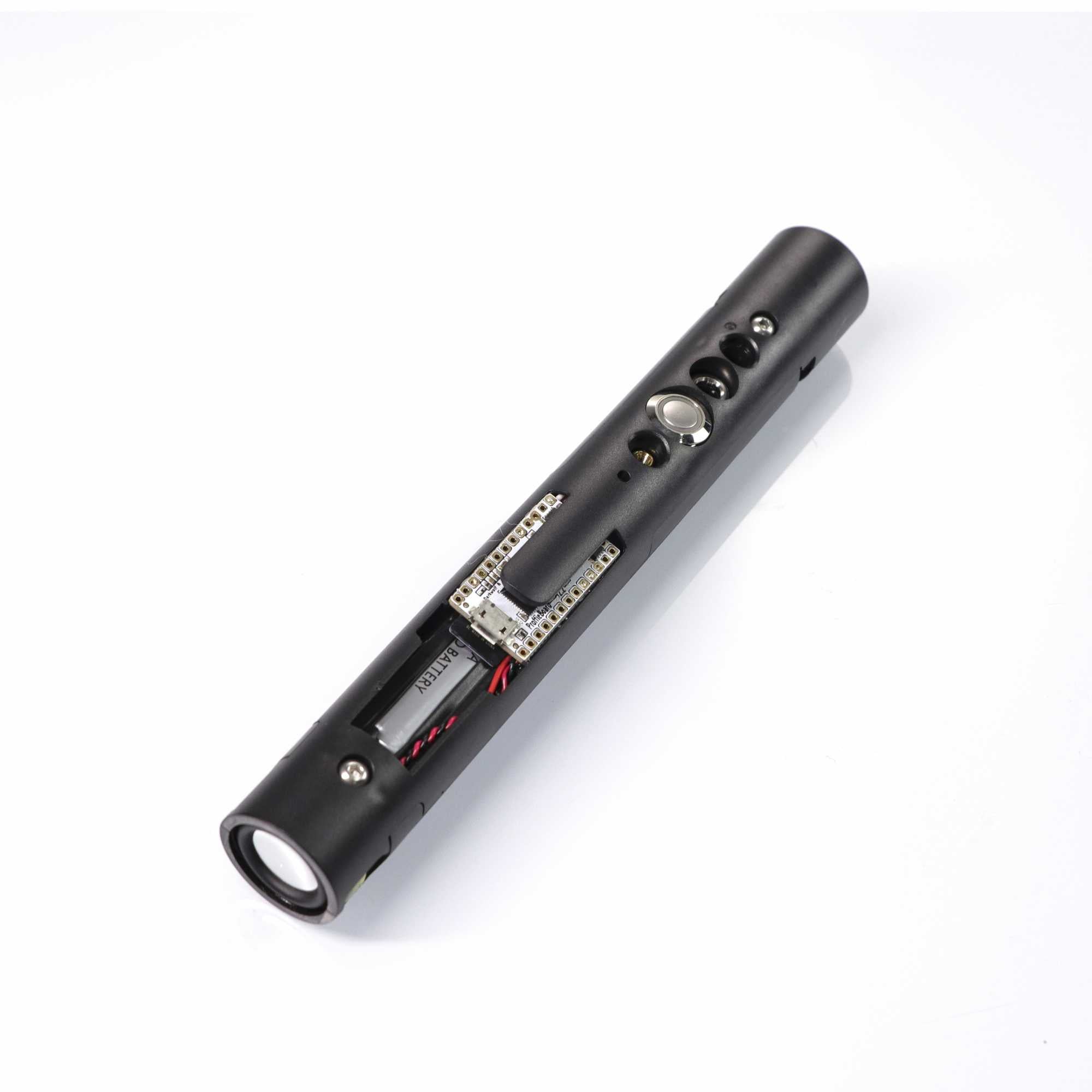
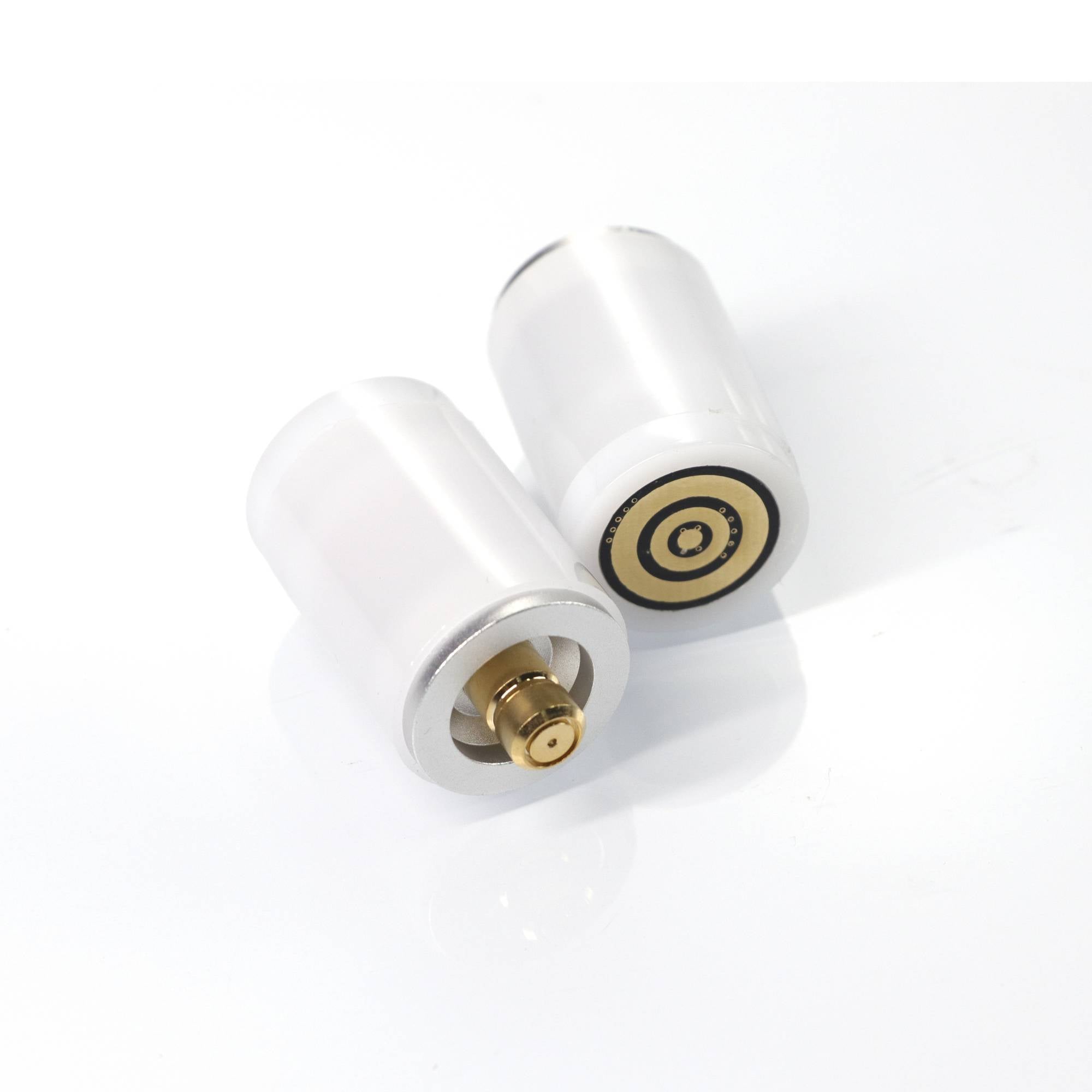
One thing up front: the saber in the photos isn’t included. The stand ships with a magnetic suspension insert that fits the emitter end of your hilt like a blade plug, so a removable-core or empty hilt slots right in.
What Are the Specifications?
| Specification | Details |
|---|---|
| Product Type | Magnetic levitation hilt display stand |
| Levitation Method | Electromagnetic suspension with adjustable magnetic balance |
| Rotation | Smooth 360° slow rotation |
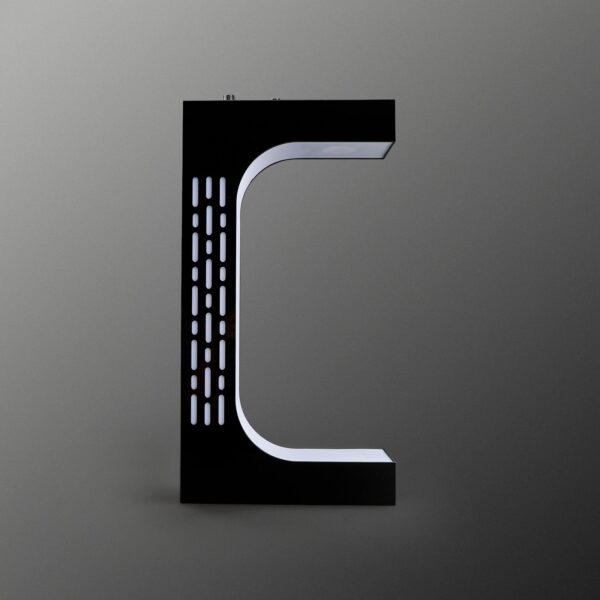
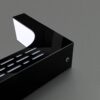
| Stand Dimensions | 445.3mm H × 236.2mm W × 93.2mm D (17.6 × 9.3 × 3.7 in) |
| Inner Floating Clearance | 350mm (13.8 in) for the suspended hilt |
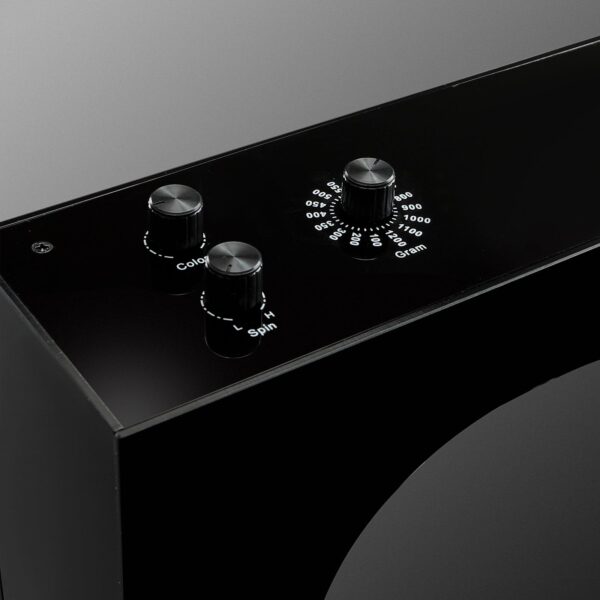
| Lighting | Built-in LED with multiple display modes (no pure white mode) |
| Balancing System | Precision adjustable weight balancing + included spring scale |
| Power | Included power adapter (required for levitation) |
| Hilt Compatibility | Hilts that accept a blade-plug-style suspension insert |
| In the Box | Levitation stand, power adapter, magnetic suspension insert, spring scale balance, user instruction guide |
How Does It Float?
The base holds your hilt up with an electromagnetic field, not a physical mount. A small magnetic insert — shaped like a blade plug — sits in the emitter end of your hilt, and the base locks onto it from below.
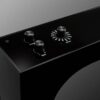
The field adjusts in real time to hold the hilt steady at its balance point. Once it’s set, the stand slowly rotates the hilt so every angle of the machining gets its turn in the light.
That’s the whole trick. No wires, no arms, no glass column.
Height is the real cost: 445.3mm tall with 350mm of inner clearance for the floating hilt. Measure your shelf before you buy — this isn’t a low-profile stand.
Balancing & Setup: The Part Nobody Explains
Levitating stands aren’t plug-and-play like a cradle. The first setup takes a few minutes, and it’s time well spent.
- The suspension insert goes in first. It fits the emitter like a blade plug, so the hilt’s core comes out for display.
- The spring scale is for finding the balance point, not for weighing packages. Combined with the adjustable balancing system, it gets you hovering level instead of wobbling.
- Rebalance when you switch hilts. Different hilts sit at different weights, so the balance point moves. Once set for a given hilt, leave it — the stand holds it day after day.
Magnets and Your Other Electronics
Strong magnetic fields and electronics don’t mix — keep phones, credit cards, hard drives, and medical devices away from the stand while it’s powered.
The good news: your saber’s own electronics aren’t in the field during display, because the core comes out and the suspension insert takes its place. The hilt itself is a machined metal shell — nothing in it for the field to bother.
Store the insert carefully when it’s not in a hilt. Two strong magnets snapping together chip, shatter, and pinch.
Levitation Stand vs. Regular Stand
Both keep your saber off the table. That’s where the similarity ends.
Longer bar = more. A qualitative comparison — the numbers behind it: the levitation stand needs power, 350mm of inner clearance, and one balancing session; a regular stand needs none of that, and it’s the one you’d use with a blade installed.
If you want a saber you can walk past and glance at, a regular stand does fine. If you want a display that makes guests stop mid-sentence — that’s what the levitation is for.
When Should You Choose (and NOT Choose) This Stand?
- Get this stand if: you want a floating centerpiece for a desk, studio, or streaming setup; you collect empty-core or removable-core hilts; you want slow rotation showing off the machining; you have shelf space 446mm tall and 236mm wide.
- Skip this stand if: you want zero setup; there’s no power outlet near the display spot; you want to display the saber with its blade installed; you’re on a budget and a simple cradle does the job.
Frequently Asked Questions
Q1: Is the lightsaber included?
A: No. The hilt shown in product photos is for illustration. You get the stand, power adapter, magnetic suspension insert, spring scale, and user guide — you supply the saber.
Q2: Which hilts work with this stand?
A: Any hilt that accepts a blade-plug-style insert. The suspension insert goes into the emitter end like a blade plug, so removable-core or empty hilts are ideal. Standard aluminum hilts sit comfortably inside the adjustable balance range — the included spring scale confirms it during setup.
Q3: How hard is the initial setup?
A: It takes a few minutes, not an afternoon. Insert the suspension plug, set the hilt over the base, use the spring scale with the adjustable balancing system to level it, then power on and fine-tune. Once balanced, leave it — no daily adjustments.
Q4: Does the saber actually rotate?
A: Yes. Once the hilt is balanced, the stand spins it in a smooth, slow 360° rotation, so every angle of the hilt gets shown off — no touching required.
Q5: Can I display the saber with its blade installed?
A: No. The 350mm inner clearance is sized for hilts, and a blade adds both length and top weight that throws off the balance. For blade-installed display, use a regular cradle stand.
Q6: What happens if the power goes out?
A: The electromagnetic field collapses and the hilt drops onto the base — it isn’t held by anything physical. Keep the stand on a stable surface away from shelf edges, and don’t leave anything delicate inside the float zone.
Q7: Will the magnets damage my electronics?
A: Keep phones, credit cards, hard drives, and medical devices away from the powered stand — strong magnetic fields and electronics don’t mix. Your saber’s own electronics are safe: the core comes out during display and the suspension insert takes its place.
Q8: What lighting modes does the stand have?
A: Built-in LED lighting with multiple display modes. Note there’s no pure white mode — the modes run through color and ambient effects instead.
Q9: How much space does it need?
A: The stand itself is 445.3mm tall × 236.2mm wide × 93.2mm deep, and you need 350mm of clearance above the base for the floating hilt. Measure your shelf first — it’s taller than it looks in photos.
Reviews
There are no reviews yet.