Lop Lightsaber — XRGB3.0 / Xenopixel V3 / Proffie 2.2 Replica | ISABER
A rabbit Jedi with a lightsaber. No, really. That’s Lop. And her story is one of the best things to come out of Star Wars: Visions.
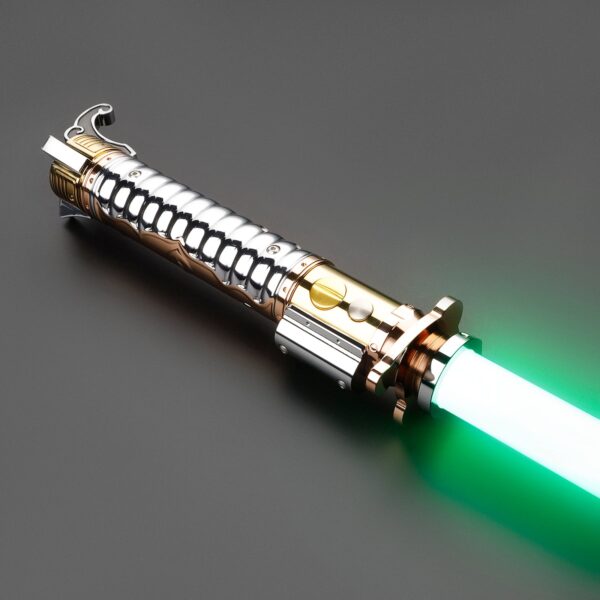
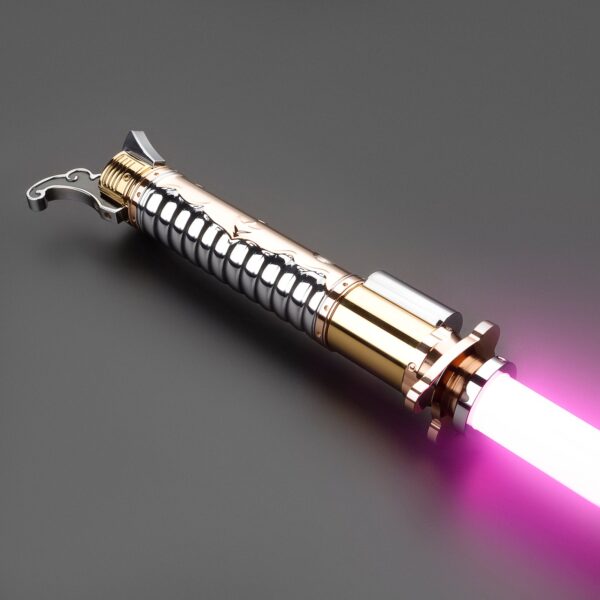
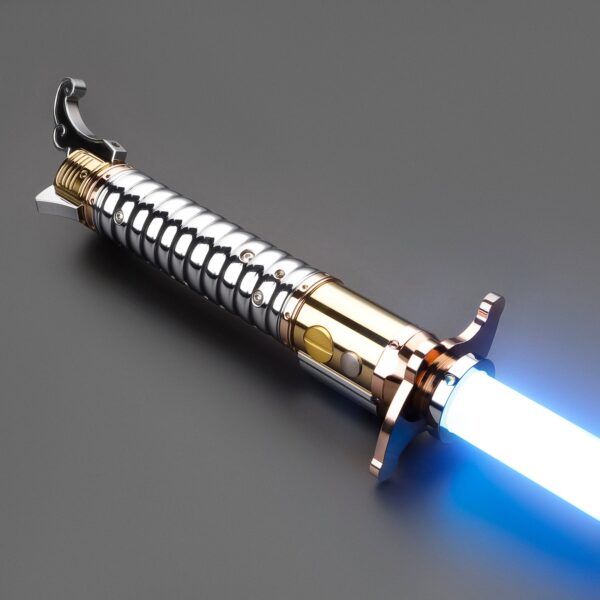
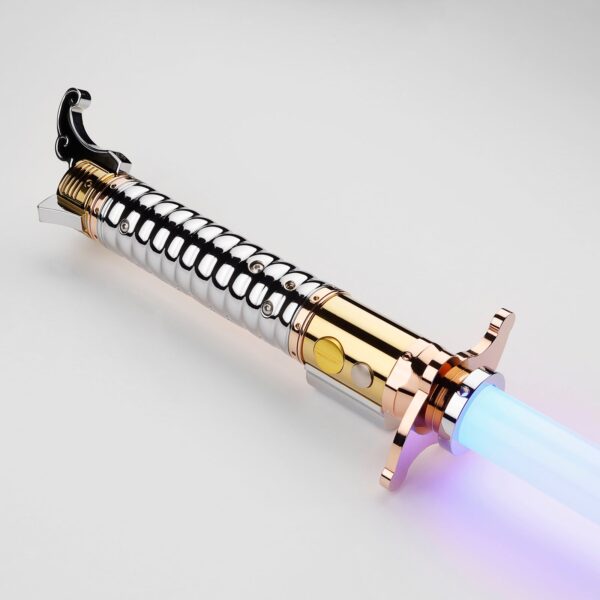
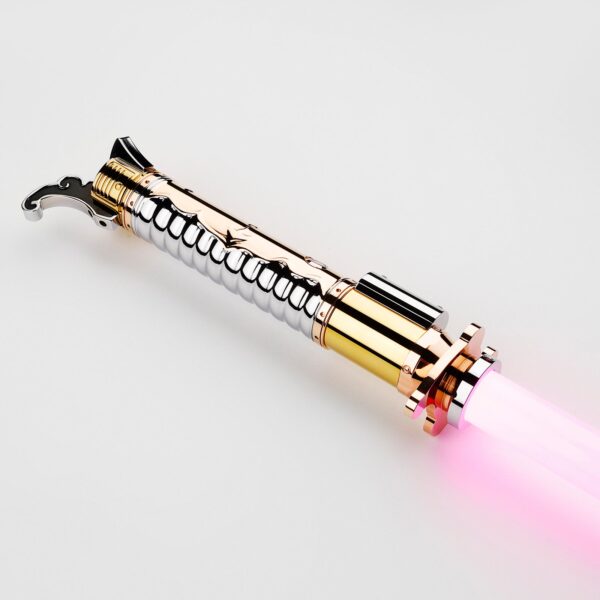
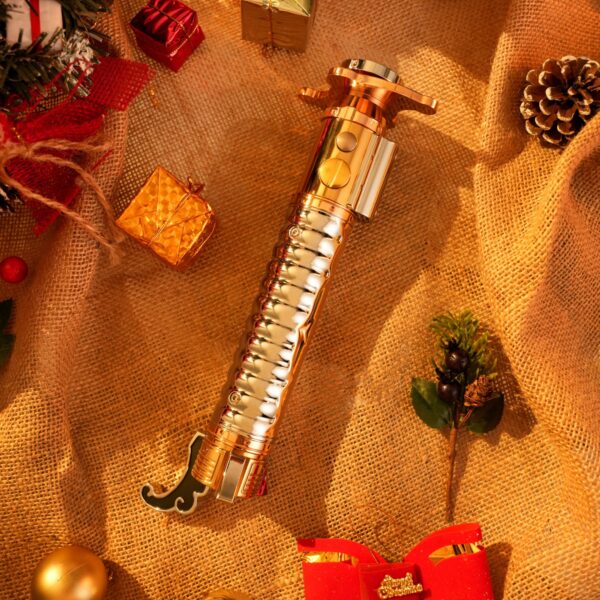
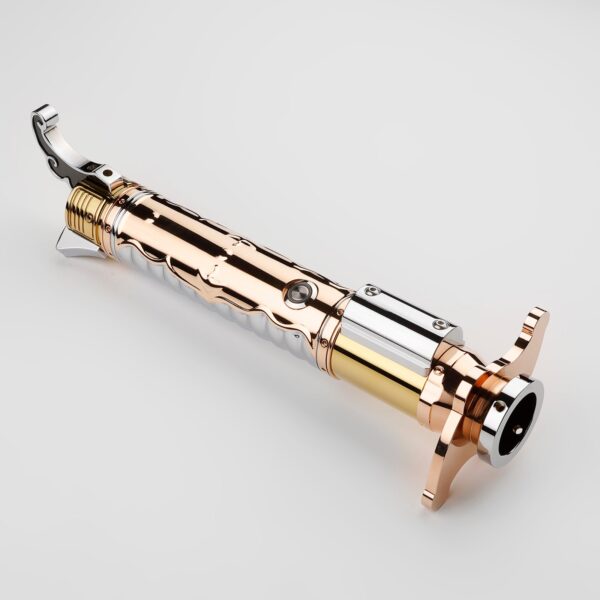
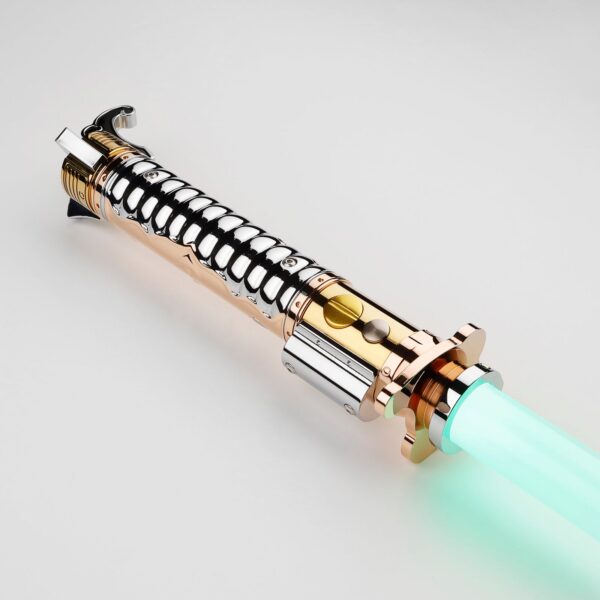
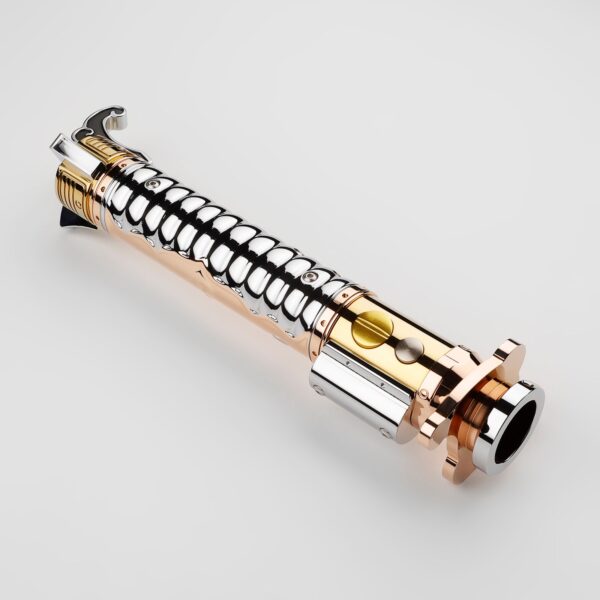
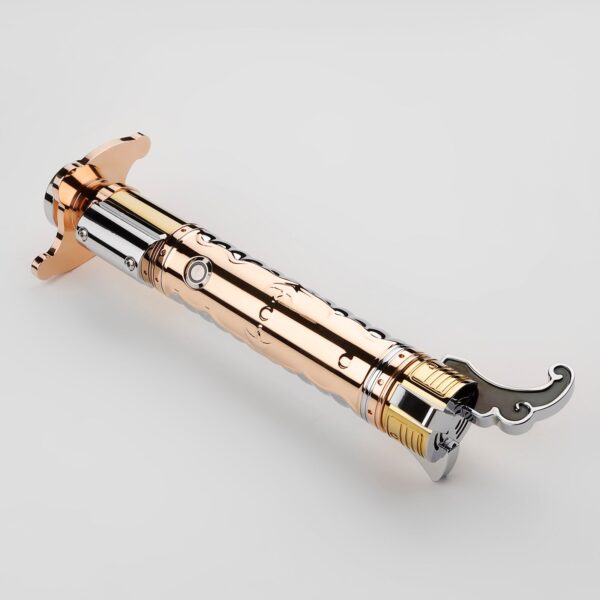
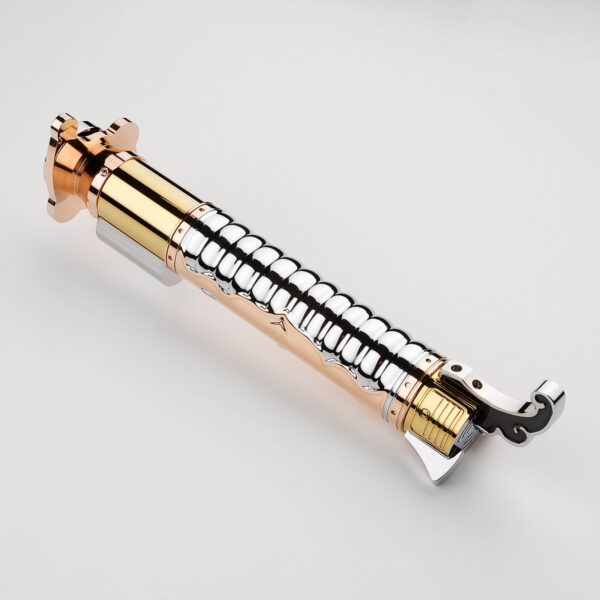
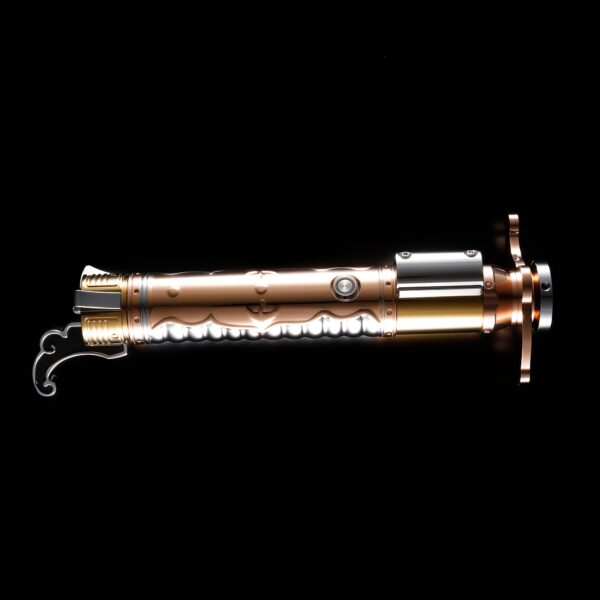
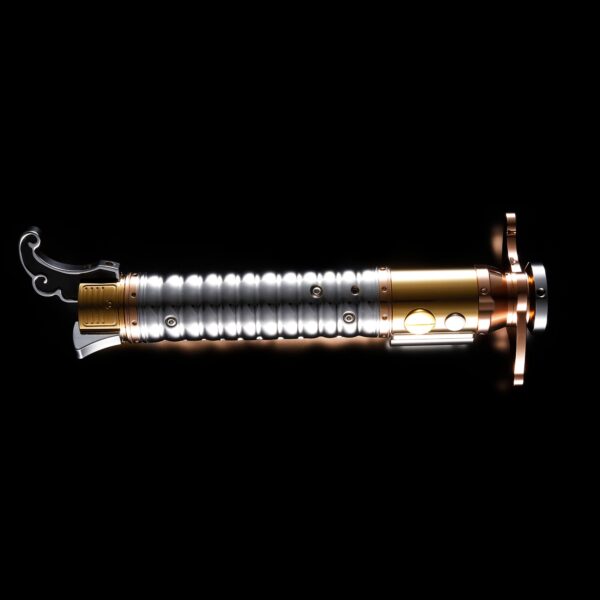
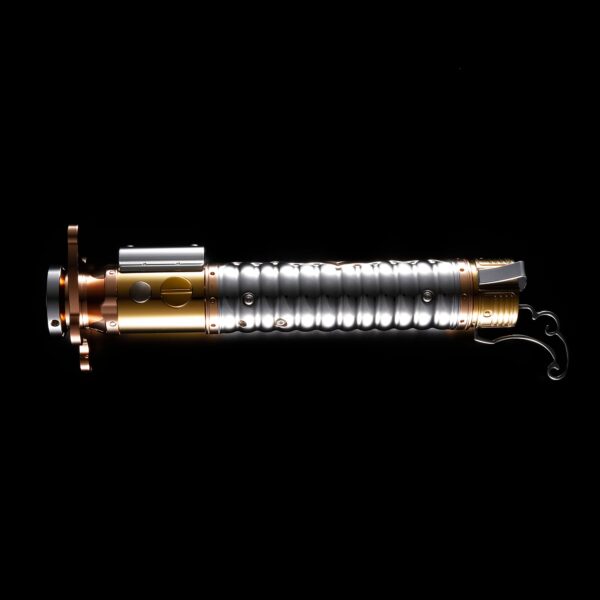
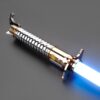
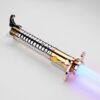
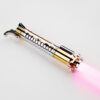
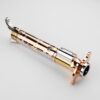
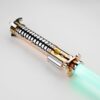
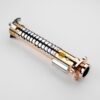
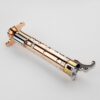
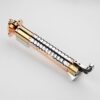
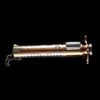
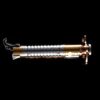
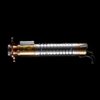
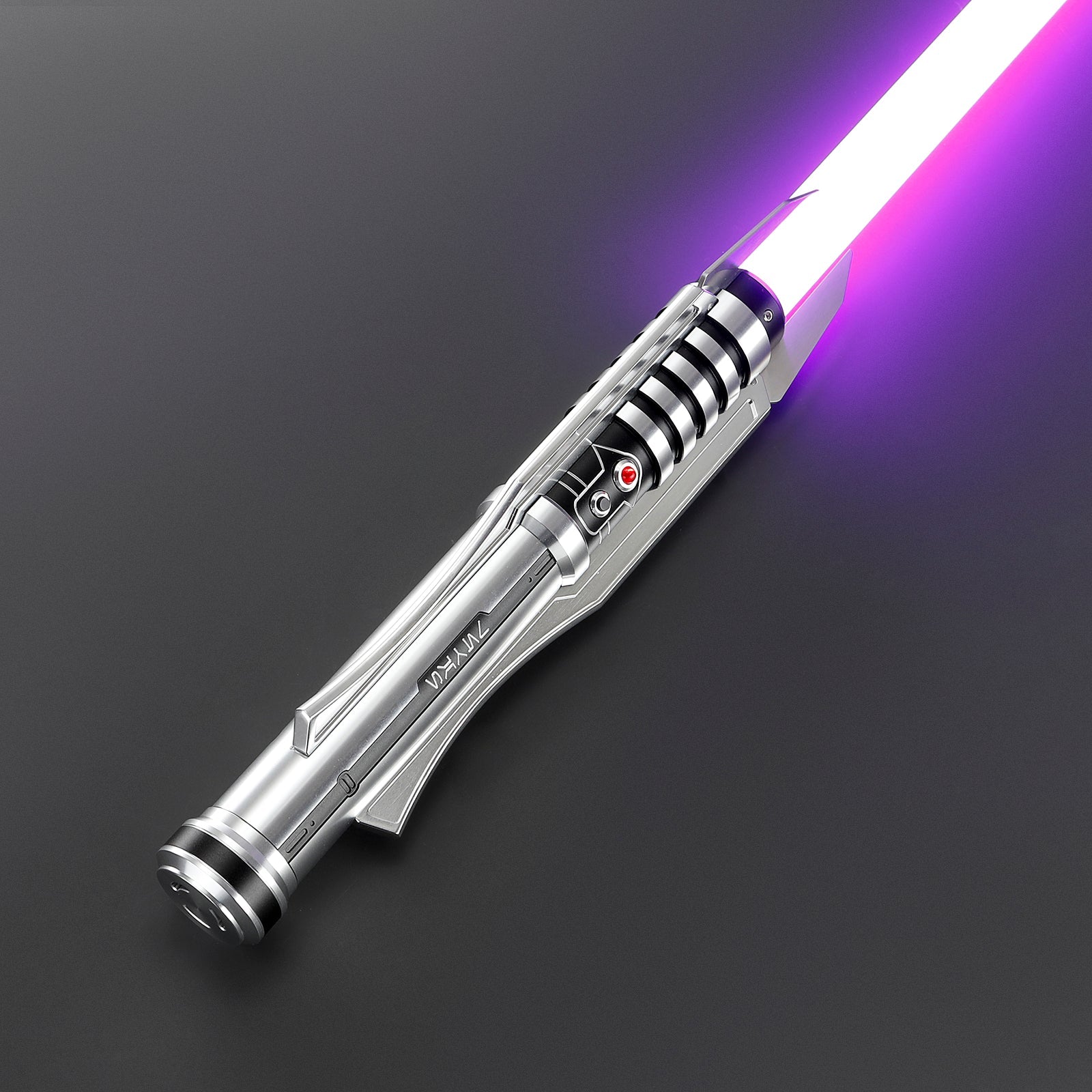
This is ISABER’s Lop replica: a 25.5cm machined metal hilt inspired by the Yasaburo clan heirloom saber from the anime anthology. Available in XRGB3.0, Xenopixel V3, and Proffie 2.2, with a Neopixel blade in 28″, 32″, or 36″.
Why does a Visions saber matter? Because the Yasaburo clan saber is one of the most praised lightsaber designs in modern Star Wars. The katana-inspired profile. The illuminated blade writing. The family crest. Critics called it “one of the very best sabers, regardless of era or canonicity.” And Lop herself is the only Visions hero to inspire serious fan campaigns for canon integration. If you want something nobody else on the convention floor has, this is it.
ISABER is not associated with Lucasfilm or Disney. This is a sabersmith-built replica for dueling, cosplay, or display.
What Are the Specifications?
| Specification | Details |
|---|---|
| Character | Lop (Star Wars: Visions, “Lop & Ochō”) |
| Species | Lepi (humanoid rabbit-like species) |
| Hilt Design | Katana-inspired profile, machined metal, Yasaburo clan aesthetic |
| Hilt Length | 25.5cm (compact, one-hand optimized) |
| Hilt Material | Metal alloy with decorative clan crest detailing |
| Blade Type | Neopixel LED strip (50W), 1-inch diameter, 3mm polycarbonate |
| Blade Length Options | 28″ (72cm) / 32″ (82cm) / 36″ (92cm) |
| Soundboard | XRGB3.0 / Xenopixel V3 / Proffie 2.2 |
| Sound Fonts | 16 (XRGB3.0) / 34 (Xenopixel) / 16–35, unlimited via SD card (Proffie) |
| Bluetooth | Yes (Xenopixel V3 app); No (XRGB3.0, Proffie 2.2) |
| Blade Effects | 6 modes (XRGB3.0); 9 modes (Xenopixel): Stable, Pulse, Unstable, Ghost, Candy, Rainbow, Cracked, Fire, Flash; Fully programmable (Proffie) |
| Ignition Styles | 3 preset (XRGB3.0); 7 preset (Xenopixel); Unlimited custom (Proffie) |
| Battery | 3600mAh 18650 rechargeable (built-in) |
| Battery Life | ~2–3 hours (Neopixel), varies by brightness and blade effects |
| Charging | USB Type-C (~3 hours to full) |
| Gesture Controls | Basic swing detection (XRGB3.0); Full: tip drag, stab, melt, blaster deflection, lock-up (Xenopixel); Fully configurable (Proffie) |
| Weight | ~3,800g (with blade) |
| Speaker | 3W bass speaker |
| SD Card | 8GB (XRGB3.0); 32GB (Xenopixel); 16GB (Proffie) |
Soundboard Options
Three boards. Same hilt. Three different experiences and three different price points.
XRGB3.0 — The budget pick that doesn’t feel budget
Same 50W Neopixel brightness as the more expensive boards. The savings come from fewer sound fonts, no app, and simpler gesture detection.
- 16 pre-installed sound fonts on an 8GB SD card
- No Bluetooth — all controls via hilt button combos
- 6 blade effects: Stable, Pulse, Unstable, Ghost, Rainbow, Fire
- 3 ignition styles + basic swing and clash detection
- Best value. Bright. Loud. Simple.
Xenopixel V3 — The sweet spot
This is the one for most people. Full feature set, app control, and every effect you’d actually use.
- 34 pre-installed sound fonts on a 32GB SD card
- Bluetooth app (iOS & Android) — change colors, effects, fonts from your phone
- 9 blade effects: Stable, Pulse, Unstable, Ghost, Candy, Rainbow, Cracked, Fire, Flash
- 7 ignition styles + full gesture controls
- SD card reader included for drag-and-drop font management
Proffie 2.2 — Unlimited customization
This is the one if editing config files sounds like a good evening. And for some people, it absolutely is.
- Open-source firmware — unlimited blade style customization
- Design your own ignition animations. Mix custom sound fonts. Tweak every RGB value, every timing parameter.
- 16–35 pre-installed fonts on a 16GB SD card, unlimited via expansion
- No app, no presets. You edit text files on the SD card. Arduino IDE for firmware.
Never touched Arduino? Go Xenopixel. Already have a Proffie saber and love it? You know why you want another one.
Design Features
The Katana Profile: A Saber That Feels Different
Most lightsabers are tubes. Cylindrical. Symmetrical. This one isn’t.
The Lop hilt has a katana-inspired profile — slight curvature to the body, a decorative curl at the base, and an asymmetrical emitter shroud. It’s the kind of design that only works in anime, where practicality bends toward aesthetics. And it’s the reason the saber stands out instantly in any lineup.
At 25.5cm, this is among the shorter character hilts. It’s built for one-handed handling with a compact, nimble feel. If you find standard 28–30cm hilts slightly too long for comfortable one-hand control, this one will feel right.
Clan Crest & Heritage Detailing
This isn’t a military-issue saber. It’s a family heirloom. The Yasaburo clan crest is engraved into the hilt body. The decorative curl at the pommel references traditional katana kashira ( pommel cap). The emitter shroud has the kind of ornate detailing you’d expect from a weapon that’s been passed down through generations.
The green blade — Lop’s canonical color — completes the look. Rich forest green. On Xenopixel, effects like Pulse and Unstable give it a barely-contained energy that fits the anime aesthetic. On Proffie, you can program custom blade styles that mimic the illuminated writing effect from the show.
One thing to know: the katana-inspired profile means the hilt has a front and back. Unlike a symmetrical tube that feels the same no matter how you grip it, the Lop hilt has an intended orientation. The clan crest faces out. The decorative curl aligns with your palm. It takes about five minutes to get used to, and after that it’s second nature.
Neopixel Blade
A 50W Neopixel LED strip runs the full length of the polycarbonate blade. Even green from base to tip. No dark spots. The scrolling ignition is smooth.
The show’s blade had illuminated writing along its length — a katana-inspired detail that looks incredible in animation. While no production Neopixel blade can exactly replicate this effect, Proffie users can program custom blade styles with segmented color patterns that approximate the look. Xenopixel users can use the Ghost or Unstable effects for an anime-adjacent vibe.
Dueling? The 3mm polycarbonate handles light to medium contact without issue. The product is literally named “Heavy Dueling” — it’s marketed as a combat-ready hilt. Full-contact heavy sparring is still risky for any Neopixel blade (the LED strip inside can crack), but the hilt itself is built solid.
Who Is Lop — and Why Does Her Lightsaber Matter?
Lop is a Lepi — a humanoid rabbit-like species — and the protagonist of “Lop & Ochō,” episode 8 of Star Wars: Visions. Produced by Geno Studio, the same team behind anime like Golden Kamuy.
Her story, in brief:
- Escaped Imperial slavery on the resource-rich planet Tao. Taken in by the Yasaburo clan — the planet’s leader and his daughter Ochō.
- Adopted as a daughter. Lop and Ochō grew up as sisters. For seven years, they were family.
- The heirloom lightsaber. The Yasaburo clan possessed a lightsaber passed down through generations. An ancient Jedi came to Tao to die and entrusted it to the family, along with a Force ritual that bestows the power of the Force upon its wielder.
- Chosen over blood. When Yasaburo chose to pass the lightsaber to Lop — his adopted daughter — rather than Ochō, it ignited a jealousy that drove Ochō into the arms of the Empire.
- Sister vs. sister. The climax is an emotionally devastating lightsaber duel between two sisters who love each other and are fighting on opposite sides of a war. Lop wins the fight but loses her sister. Ochō escapes with the Empire. The ending is open — and fans have been asking for a continuation ever since.
The lightsaber is the emotional center of the story. It’s not just a weapon. It’s the symbol of who Yasaburo trusts with the family’s future. The moment he hands it to Lop instead of Ochō, everything changes. That’s the kind of storytelling weight most lightsabers never carry.
Lop was directly inspired by Jaxxon — a green rabbit-like smuggler from Marvel’s Star Wars #8 (1977), one of the first original characters ever created for the Star Wars Expanded Universe. Director Yuki Igarashi confirmed the connection. So in a weird way, this saber traces its design lineage back to the earliest days of Star Wars storytelling outside the films.
Lop’s Fighting Style: Quick, Desperate, Full of Heart
Not a Trained Jedi — and That’s the Point
Lop isn’t a Jedi. She never trained at a temple. She’s a former slave who was given a lightsaber and told to save her sister. Her fighting style reflects that: raw, emotional, unpolished. She fights like someone who learned by doing.
The compact 25.5cm hilt suits this. It’s a nimble, one-handed weapon built for quick strikes and fast recovery. No two-handed broadsword swings. No formal Makashi footwork. Just speed, instinct, and desperation.
If you fight one-handed and rely on reaction speed over form, this hilt length will feel natural. It’s short enough to maneuver in tight spaces, long enough to generate real blade speed.
The Duel That Defines Her
The fight against Ochō isn’t about technique. It’s about trying to reach someone you love through violence. Every strike Lop throws is half-hearted. Every block is a plea. She’s not trying to win. She’s trying to bring her sister home.
This is the opposite of a Vader or Maul duel. Those are about dominance. Lop’s duel is about loss. And the saber design reflects it — it’s a family heirloom, not a weapon of war. The clan crest, the decorative curl, the green blade. Everything about it says “this belonged to people who loved each other.”
How Lop’s Lightsaber Compares to Other Iconic Sabers
| Character | Hilt Length | Design Origin | Fighting Style | Best For |
|---|---|---|---|---|
| Lop | 25.5cm (shortest) | Anime katana, family crest | One-handed, instinctive, fast | Visions fans, compact hilt preference, anime aesthetic |
| Yoda | 18cm | Miniaturized standard | Acrobatic, flipping, unpredictable | Smallest hands, novelty display |
| Anakin Skywalker | 28.3cm | Graflex camera flash | Djem So, athletic power | Classic hero dueling |
| Count Dooku | 32cm | Curved fencing grip | Makashi, one-handed precision | Fencing-style duelists |
| Stellan Gios | 33cm (longest) | Excalibur, knight’s sword | Two-handed broadsword | Crossguard fans, two-handed duelists |
| Luke Skywalker | 27.6cm | Graflex / machined ROTJ | Djem So / self-taught | Classic hero display |
| Kanan Jarrus | 28cm | Two-piece, disguised | Form III, adaptive | Rebels fans, unique assembly |
Here’s the thing about this comparison.
Lop’s saber is the shortest full-size character hilt on this list besides Yoda’s. And Yoda’s is 18cm because Yoda is 66cm tall. Lop’s is 25.5cm because it’s designed for fast one-handed work. If you’ve ever thought standard hilts feel slightly too long for comfortable single-hand control, this is the one.
It’s also the only anime-designed saber. Every other hilt on this list came from a film or TV production design team working in live action. Lop’s came from an anime studio. The katana profile, the clan crest, the decorative curl — these are choices a live-action designer would probably veto as impractical. And that’s exactly why they work. This is what a lightsaber looks like when the artist isn’t constrained by “how would we build this prop?”
And the green blade? That’s canon. Lop’s saber burns green — the color of a Jedi Consular, fitting for a character whose strength is heart, not combat prowess. On any of the three boards, you can switch colors. But green feels right for this one.
Behind the Scenes: Anime Meets Star Wars
“Lop & Ochō” wasn’t just another Visions episode. It was the closing chapter of Season 1 — the anchor spot, reserved for the story the producers believed would leave the strongest impression.
Geno Studio, the animation house behind it, built their reputation on detailed character work and emotional storytelling. They approached Lop not as a Jedi action piece but as a family drama with lightsabers. The Yasaburo clan dynamic — adopted daughter vs. biological daughter, tradition vs. collaboration, family vs. ideology — is more Succession than Star Wars. And it works.
The lightsaber design followed the same philosophy. It’s not just a weapon. It’s the physical embodiment of the family’s heritage. The clan crest. The ancient Jedi’s dying gift. The Force ritual. Every detail of the hilt reinforces the idea that this is something passed down, not something mass-produced.
Director Yuki Igarashi drew inspiration from Jaxxon, the green rabbit smuggler from Marvel’s 1977 Star Wars comic. Jaxxon was one of the first original characters in what became the Expanded Universe — a wisecracking gunslinger Bugs Bunny homage that was mostly forgotten for decades. Lop carries that legacy forward: a rabbit-like hero who’s funny, fierce, and impossible to forget.
The episode didn’t get a Season 2 follow-up, despite fan demand. But Lop has appeared in the Visions manga anthology and continues to be one of the most-requested characters for canon integration. The saber, meanwhile, has taken on a life of its own in the replica community.
When Should You Choose (and NOT Choose) the Lop Lightsaber?
Get this saber if:
- You want a saber nobody else has. Vader. Anakin. Luke. Maul. Everyone has those. Lop is the one that makes people stop and ask. At a convention, in a collection, on a shelf — this hilt starts conversations.
- You prefer compact, one-handed hilts. At 25.5cm, this is one of the shortest character hilts available. Fast in hand. Easy to maneuver. Doesn’t feel like you’re swinging a baseball bat.
- You’re an anime fan who also loves Star Wars. Visions was made for exactly you. The katana profile, the clan crest, the Geno Studio pedigree — this is anime design language translated into a lightsaber.
- You want Proffie 2.2 at a reasonable price. Three board tiers means you can get into Proffie without paying Stellan Gios money. The XRGB3.0 entry point gets you Neopixel brightness under $400.
Skip this saber if:
- You want a canon character everyone recognizes. Visions is not canon. Lop does not exist in the official timeline. If that matters to you — if collecting is about authentic Star Wars continuity — this isn’t your saber.
- You prefer two-handed, broadsword-style hilts. At 25.5cm, there’s not enough grip for comfortable two-hand use. If you fight with both hands, look at Stellan Gios (33cm) or Anakin (28.3cm).
- You want the illuminated blade writing from the show. No production Neopixel blade can fully replicate the katana-style writing effect seen in the anime. Proffie can approximate it with segmented blade styles. Xenopixel and XRGB3.0 can’t. If that effect is the whole reason you want this saber, manage expectations.
- You have larger hands. The 25.5cm hilt and slim profile mean less real estate for your grip. If standard hilts already feel compact in your hands, this one will feel like a shoto (short saber).
What’s in the Box?
- Lop machined metal katana-profile hilt with installed soundboard and rechargeable battery
- 1-inch Neopixel polycarbonate blade (your choice: 28″, 32″, or 36″)
- USB Type-C charging cable
- Display stand
- Blade plug (for displaying the hilt without the blade)
- Allen key and spare screw set
- User manual
- SD card reader (Xenopixel and Proffie versions only)
- Premium carrying case
Frequently Asked Questions
Q1: Is Lop actually a Star Wars character? I’ve never heard of her.
A: Yes — but from Star Wars: Visions, the anime anthology series. Visions is non-canon: these stories exist outside the official timeline. Think of it as Star Wars through the lens of different Japanese animation studios. Lop is the protagonist of “Lop & Ochō” (Episode 8, Season 1), produced by Geno Studio.
She’s a Lepi (rabbit-like humanoid) who inherits a family lightsaber and fights to save her sister from the Empire. The episode is widely considered one of Visions’ best.
Q2: Which soundboard should I choose — XRGB3.0, Xenopixel V3, or Proffie 2.2?
A: Three tiers, same blade brightness:
XRGB3.0 (~$396): Best value. 16 fonts, 6 effects, button-only control. Same 50W Neopixel strip as the expensive boards.
Xenopixel V3 (~$486): Sweet spot. 34 fonts, 9 effects, Bluetooth app, gesture controls. The one for most people.
Proffie 2.2 (~$554): Unlimited customization. Design your own blade styles, ignition animations, sound font mixes. Requires Arduino IDE and config file editing.
Q3: Is this saber canon? Does that matter?
A: No, Visions is not canon. But neither are most of the sabers people duel with. The hilt design is critically acclaimed — called “one of the very best sabers, regardless of era or canonicity” by reviewers — and the craftsmanship doesn’t care about canon status. If the design speaks to you, that’s what matters.
Q4: Can the blade show the illuminated writing effect from the anime?
A: Not exactly. The show’s blade features glowing text along its length — a katana-inspired detail that looks stunning in 2D animation. No production Neopixel blade can do this out of the box.
Proffie 2.2 users can program custom segmented blade styles that approximate the look (alternating color bands, gradient effects). Xenopixel’s Ghost or Unstable effects give an anime-adjacent vibe. But if the blade writing is your main draw, know that no replica currently replicates it fully.
Q5: Is 25.5cm too short for dueling?
A: No — it’s designed for one-handed dueling and marketed as a “Heavy Dueling” combat saber. The shorter lever arm means faster recovery between strikes. Less reach than a 32″ blade on a 33cm hilt, but quicker in hand.
If you fight one-handed and value speed over reach, 25.5cm is an advantage, not a limitation.
Q6: How does the katana profile affect handling vs. a standard tube hilt?
A: Two things: the hilt has a front and back (the clan crest faces outward), and the decorative curl at the pommel creates a natural palm anchor. It takes about five minutes to get used to the orientation. After that, the curl actually helps — your hand finds the same position every time without looking.
Spinning is harder because the asymmetrical body doesn’t rotate as predictably as a perfect cylinder. If flow arts are your thing, go with a symmetrical hilt.
Q7: Does Lop appear in anything besides that one Visions episode?
A: She appears in the Star Wars: Visions manga anthology (published by Viz Media). She did not return for Visions Season 2, though fan campaigns for her return have been active since 2021. She’s one of the most-requested Visions characters for canon integration.
Q8: Why did Yasaburo give the lightsaber to Lop instead of his own daughter?
A: Because Ochō had already chosen the Empire. Yasaburo led the rebellion against Imperial exploitation of their planet. Ochō believed cooperation with the Empire was the pragmatic path. The lightsaber wasn’t just a weapon — it was the symbol of who would carry the family’s legacy forward. Yasaburo chose the daughter who shared his values. That choice broke the family apart. And it’s the emotional core of the entire episode.
Q9: Is this hilt screen-accurate to the anime?
A: It’s inspired by, not a 1:1 replica. The katana profile, clan crest, and decorative curl are present. Exact proportions may differ from the animation model. For a screen-accurate replica, the only option would be a custom commission — no mass-produced Lop saber has been licensed or officially released.
Q10: How does the 25.5cm Lop hilt compare to other short hilts like Yoda’s?
A: Yoda’s hilt (18cm) is built for a 66cm-tall character. It feels like a toy in adult hands. Lop’s 25.5cm hilt is a short full-size saber — compact, but proportioned for an adult grip. Think of it as the difference between a compact pistol and a full-size pistol. Same function. Smaller package.
Q11: Can I duel heavy with this?
A: The hilt is solid metal and marketed for heavy dueling. But — and this matters — Neopixel blades are rated for light to medium contact regardless of the hilt. The LED strip inside can crack from hard impacts. The hilt will survive heavy sparring. The blade might not. Blade replacements run $40–60.
Q12: What happened to Ochō after the duel?
A: She survived. After being knocked into an abyss during the fight, Ochō spared Lop’s life and escaped with the Empire. The episode ends on a bittersweet note: Lop failed to bring her sister back, but Ochō couldn’t bring herself to kill Lop either. The family droid plays back an old recording of Ochō’s voice: “With a little time… we’re gonna become a proper family.” The story remains open-ended.
Q13: Does the ISABER Lop come with a display case?
A: Yes. Every ISABER Lop includes:
- Premium carrying and display case
- Dedicated display stand (for hilt-only display with the clan crest facing out)
- Blade plug (protects the emitter)
Included with all three board options. Arrives shelf-ready.
Reviews
There are no reviews yet.